
Transcript
Joel: The story of Cornelius is fascinating. This Roman centurion, he's a religious person, but in a genuine sense has this experience where an angel appears to him and says, "The prayers that you have been saying, the alms, the giving to the poor that you've been engaged in, we have that has been taken note of." What's really interesting then is what the angel says to him. And he said, "So because of that, send to Japa and ask for someone called Simon who is called Peter." And it's just really interesting that the angel doesn't appear to him and say, "Cornelius, you're a religious man. You're working hard and that's great. Keep doing what you're doing, and if you stick at it, then you should be just fine." He says, "No, you're really religious. What you need is the gospel, the saying for this preacher called Peter."
Stephen: Yeah. And so Peter arrives and he brings with him really the message. If you read through his message in Acts chapter 10, it is just entirely about Christ. And we hear him speaking to him and his whole household about Christ's identity. He says, you know, "This is Jesus Christ who's Lord of all."
He speaks about his life, you know, how he was approved of God and he went about doing good. God was with him. He speaks about his death and he speaks about his resurrection and he speaks about the future. He's going to be the judge of the world and ultimately he speaks about that through this man and his name is found the forgiveness of remission of sins.
So Christ is the message. Christ is the message he brings to Cornelius.
Joel: Yeah, and that's very important in that kind of understanding. If we're going to come to God, if we're going to be in heaven, then we need to forsake religious observance as a way of making ourselves right with God. Now, clearly we've been talking about the fact that belief in Christ produces conversion, transformation. And that will entail certain things that we do or don't do.
But I think some people want to condense the gospel down into the things that we do. "Love the Lord your God with all your heart. Love your neighbor as yourself." That is not the gospel.
That's what the gospel produces.
And what Cornelius is going to need to come to understand is this: that if he is going to be right with God, he needs a personal relationship with Jesus Christ that he cannot produce by himself.
You get a similar character in John chapter 3. Nicodemus. Nicodemus is a Jewish rabbi, a Pharisee. It's possible, maybe not certain, but from the way that the Lord Jesus interacts with him, that Nicodemus was the foremost teacher in all of Israel, the most educated man in the whole country.
And yet he comes to the Lord Jesus and he says, "Rabbi, we know that you're a teacher come from God because no one can do the things that you do unless God is with him."
So he comes again, like Cornelius, with his genuineness. He has a belief in God. He wants to do what's right. And Jesus responds to him by saying, "Nicodemus, you have to be born again."
Now, when people hear that phrase, that exhortation, "You must be born again," they assume that that is a call to religion, a call to observe traditional moral values. But that cannot be what it means because both Cornelius and Nicodemus were already very religious men.
So actually, the call to be born again is a call away from religion. A call to recognise that my beliefs and my efforts are not what will save me. And as you have said, Peter takes him onto the person of Christ. That is, it is his death and his resurrection that provides salvation.
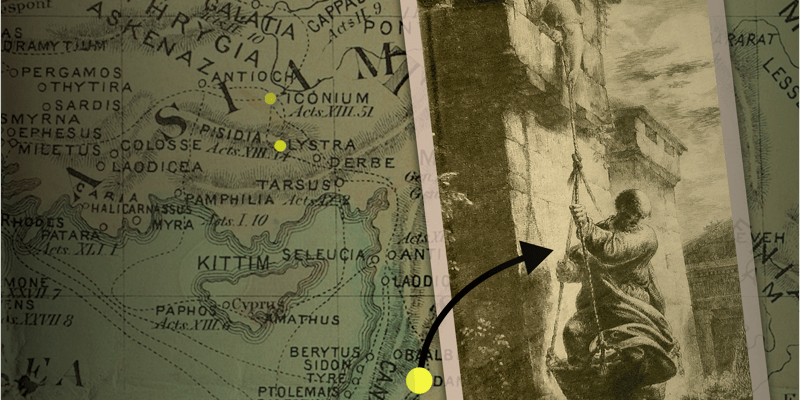
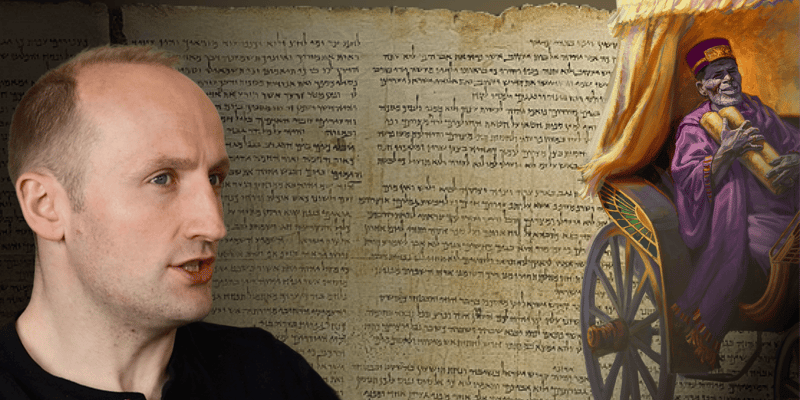
Stephen: And the last couple episodes, we've been looking at a number of different characters who have come into that community of Christ, the church. You know, we've talked about the Ethiopian eunuch. We've talked about Saul of Tarsus and now this man Cornelius.
And they're dramatically different folk, aren't they?
Joel: Yeah. Yeah, very much so. So the Ethiopian eunuch is a political man. Paul or Saul is a religious man. Cornelius is a military man. The Ethiopian's from Africa. Saul is from Asia. Cornelius is from Europe.
These people could not be more different. And even their various experiences are somewhat different.
But they all come to this point where they recognise that true life is found in Jesus Christ.