
The purpose of Parables
The word “parable” means “to place alongside”. It comes from two Greek roots: para, meaning “beside”, and ballō, meaning “to throw”. The original meaning of the word helps explain how a parable sets some commonplace reality alongside a profound spiritual truth.
You may have heard the saying, “A parable is an earthly story with a heavenly meaning”. However, given the range of sayings labelled parables in the Gospel accounts, it is difficult to give a precise definition that covers them all. For example, in Matthew 15:15, Jesus was asked, "Explain this parable to us." The question referred to the words recorded in verse 11: “Not what goes into the mouth defiles a man; but what comes out of the mouth, this defiles a man." These words have none of the characteristic features of a story, yet the Scriptures label it a parable.
Another common belief is that the sole reason Jesus used parables was to make hard truths as clear, familiar, and easy to grasp as possible. However, the Lord Jesus’ parables had a clear twofold purpose: they hid the truth from the self-righteous, who thought they were too smart to learn from Him, whilst revealing truth to eager souls who had a genuine desire to understand. The Lord Jesus thanked His Father for both results: “At that time Jesus answered and said, ‘I thank You, Father, Lord of heaven and earth, that You have hidden these things from the wise and prudent and have revealed them to babes’” (Matthew 11:25).
Another crucial principle when interpreting parables is recognizing that, in most cases, they make one simple point. Trying to find spiritual meaning in every detail of the story can lead to applications that are not intended. For example, the two coins given to the innkeeper in the parable of the good Samaritan represent nothing more than a sum of money given to pay for the care of the injured man.
One more important rule to remember is that we cannot always assume that an item in one parable has the same meaning in another. For example, in the parable of the soils, we are told that the seed represents the Word of God and the good ground represents a human heart properly prepared to receive the Word (Luke 8:11,15). But in the parable of the tares (Matthew 13:24-30, 36-43), the good seed represents “the sons of the kingdom” (the true inhabitants of the kingdom of God), and “the field is the world”. So we must be careful not to attribute the same meaning to similar items in different parables.
As we move into the first parable, it is worth noting that all but one of Jesus’ recorded parables are found in the Gospels of Matthew and Luke. Matthew tends to tell the stories briefly, whereas Luke is more fulsome, giving the characters greater depth.
Receiving the Word – The parable of the Soils
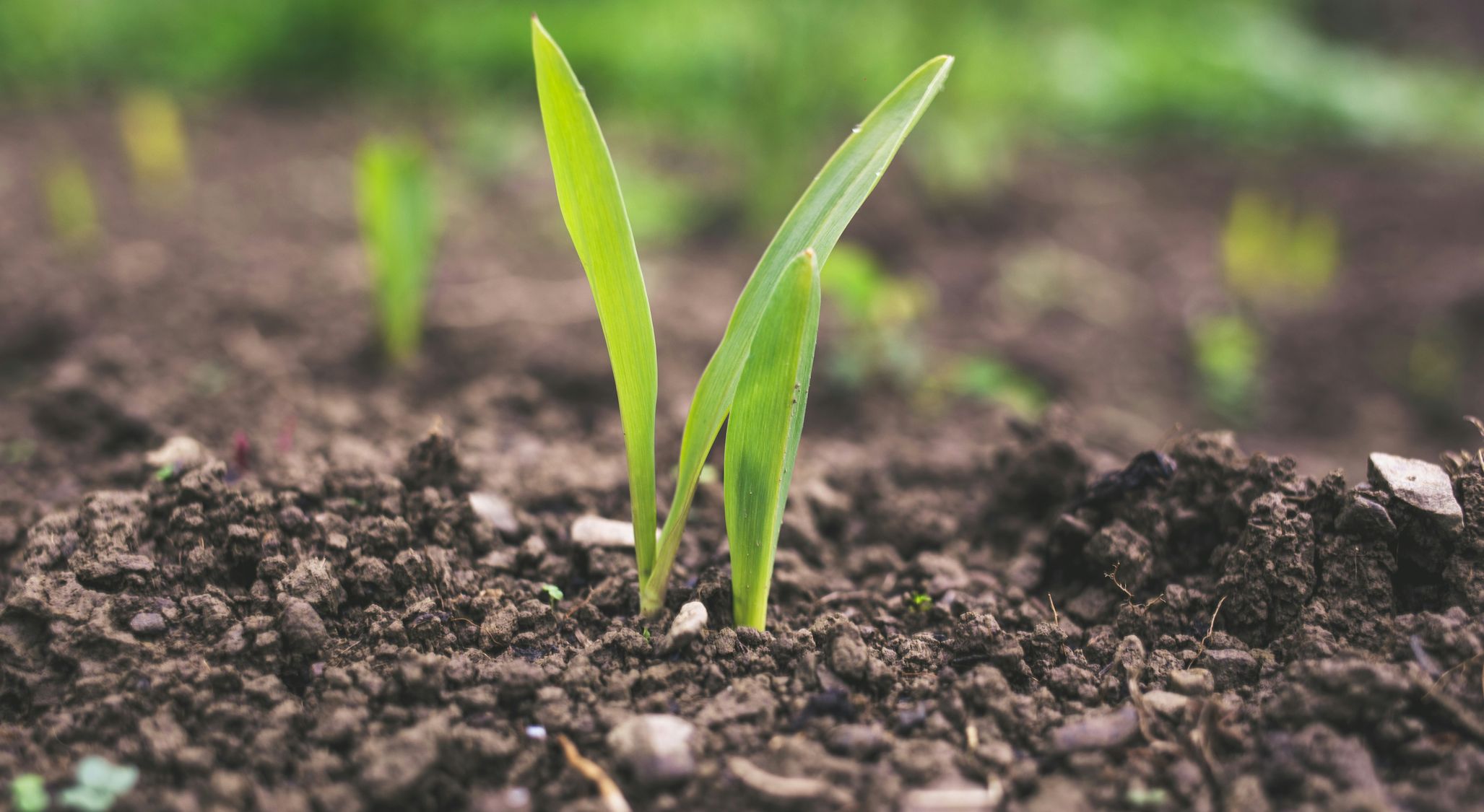
When listening to the parable recorded in Luke 8:4-8 and Matthew 13:3-9, no one would have been baffled by the story itself. For the original listeners, this was everyday life in an agricultural society, but even someone living in a twenty-first century city should understand the process of sowing seed and the different outcomes depending on the type of ground in which it falls.
In the parable nothing is said about the sower and his skill. So the point that the Lord Jesus is teaching has nothing to do with the sower’s ability or the quality of the seed.
There are four different types of ground:
1. Roadside – The seed that fell on the path could not penetrate the hard, compacted ground. It remained on the surface, where it was trampled underfoot or eaten by birds, never having the opportunity to take root and grow.
2. Rocky ground – A shallow layer of soil covered an unseen bedrock just beneath the surface. The thin soil lacked the depth and moisture needed to sustain crops, especially in a dry climate.
3. Weed-infested ground – The soil was overrun with wild vegetation, such as thorns and thistles, which crowded out the crops, competed for nutrients, and choked their growth.
4. Fertile soil – The seed fell into well-prepared, weed-free soil, where it could develop deep roots and grow unhindered. It flourished and produced an abundant harvest.
Jesus then begins to explain the parable, stating to the disciples, “To you it has been given to know the mysteries of the kingdom of God” (Luke 8:10). A biblical mystery is a truth that was unclear or hidden in Old Testament times but has been fully revealed in the New Testament.
We learn that the parable is about the differing outcomes that can be anticipated when the seed is sown. The disciples, and every believer since that time, are instructed to broadcast God’s Word. “The seed is the word of God” (v.11). It is perfect and needs no revision or editing, and it is suitable for all peoples, in all cultures, in all time periods.
The parable focuses on four possible heart responses when a person hears God’s Word. Luke 8:12 gives indisputable confirmation that the soil in the parable represents the human heart: “Those by the wayside are the ones who hear; then the devil comes and takes away the word out of their hearts, lest they should believe and be saved.”
Out of the four heart responses only one is that of genuine saving faith:
1. Roadside – This heart is so hard that the Word does not penetrate it to produce even a surface response. It pictures the person who is determined not to believe.
2. Rocky ground – They “receive . . . with joy” and “believe for a while” (Luke 8:13). However, when some difficulty comes along, it is enough to stop them “believing”. Sadly, their response was only emotional. The heart had not been changed; they were never truly born again.
3. Weed-infested ground – This person has heard the gospel and seems to respond, but the things of the world (riches, pleasures and worries) cause them to become distracted, and they do not grow. The Word is “choked” and they prove that they were not genuine believers by their failure to persevere.
4. Fertile soil – This last group pictures those who listen, believe and produce fruit. Scripture consistently teaches that the true believer will persevere, yielding the fruit of the Spirit (Galatians 5:22,23). That is the necessary evidence of genuine saving faith in Christ.
What is the main lesson of this parable?
A person’s response to the Word of God depends on the condition of their heart. Furthermore, fruit is the only evidence that a person has genuinely heard and accepted the Word of God.
This parable teaches us that when we “sow the seed”, that is, proclaim the gospel or teach God’s Word to those around us, the response will vary according to the condition of the hearts of those who hear. We need to seek wisdom from God and be diligent in preparation, but the outcome does not depend on our skill as sowers. We should always remember the words of the Apostle Paul to the Corinthian Christians: “I planted, Apollos watered, but God gave the increase” (1 Corinthians 3:6).