Margaret McLachlan (a widow aged 63) and Margaret Wilson (aged only 18) were two Scottish Covenanters who refused to sign the oath of submission to the king as head of church and state; they also disobeyed the government by attending field “conventicles” where the Bible was preached. Those who acted in such ways were threatened with the confiscation of their goods and death.
The ultimate sacrifice
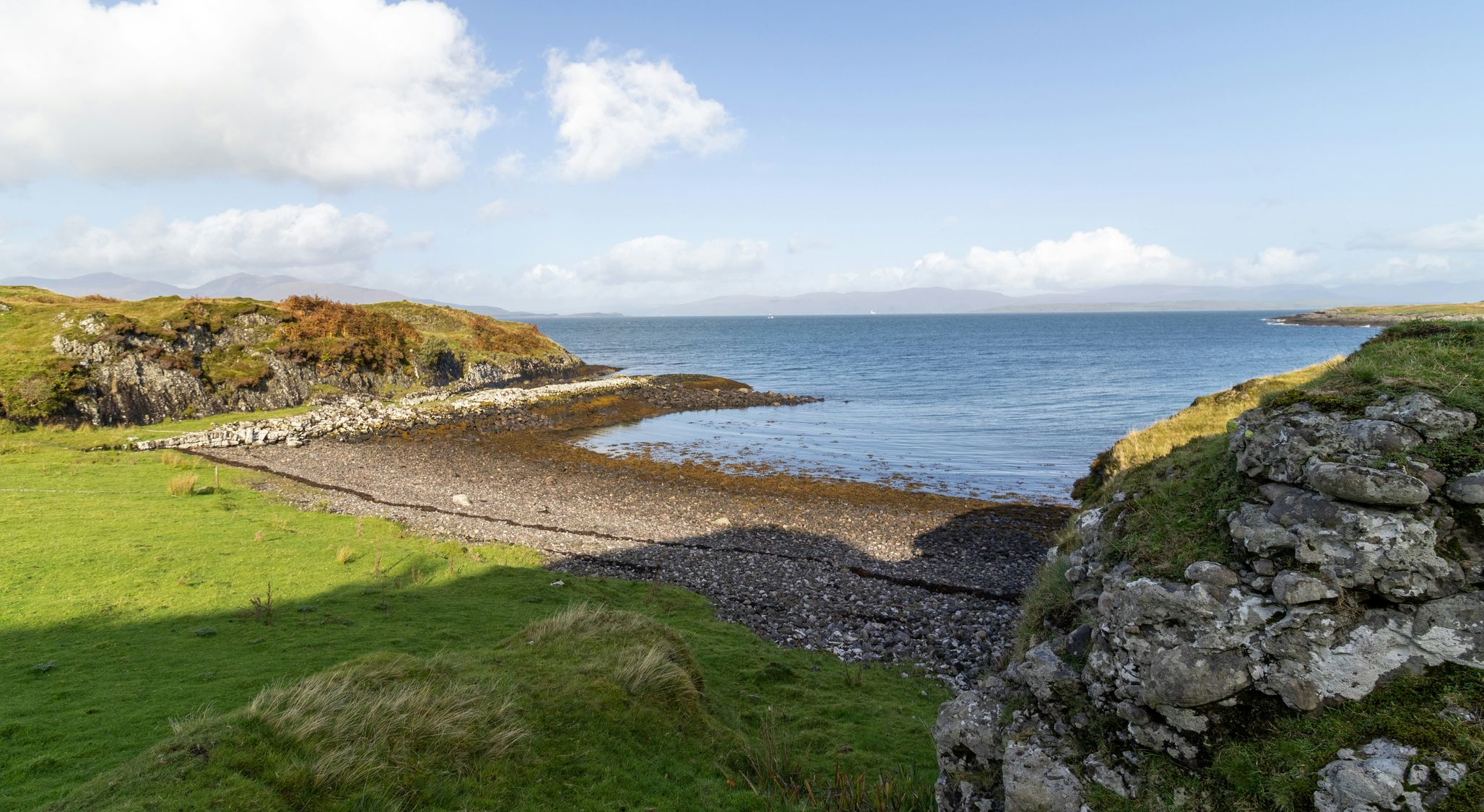
Following a period of imprisonment, the two women were sentenced to death. Although a reprieve was granted in Edinburgh, it seems that the Wigtown council ignored it, insisting on going ahead with their executions. They were to be drowned in the River Bladnoch, where it enters Wigtown Bay on the Solway Firth, tied to wooden stakes. The stake for the younger woman was positioned further up the beach in the hope that she would see her friend suffering and change her mind. The crowd appealed to her to say, “God save the king”, signifying that she submitted to him. But she is reported to have said, “God save him if He will, for it is his salvation I desire”.
Unshaken confidence in God
She then read from Romans chapter 8, which culminates in the confidence that nothing “shall be able to separate us from the love of God, which is in Christ Jesus our Lord” (v.39 KJV), and sang part of Psalm 25, no doubt including these words: “Unto thee, O LORD, do I lift up my soul. O my God, I trust in thee . . . thou art the God of my salvation” (vv.1,2,5 KJV) before her head was pushed under the water. What tremendous conviction that young woman had! Yet she would readily have acknowledged that God gave her the grace to remain true to Him.
Save “the King”!
I find the story very moving, but it makes me think of the One to whom Margaret entrusted her destiny: Jesus Christ, the Son of God. He, too, was attached to a stake, not by ropes but by nails. He was hung on a cross to die an excruciatingly painful death. His title was displayed above Him: “THIS IS JESUS THE KING OF THE JEWS” (Matthew 27:37). The words of the crowd that day were different from those used in 1685, but they did call on Him to save “the King” – they taunted Him to save Himself if He really was God's chosen One, as He claimed to be (Luke 23:35).
Who was this King?
If only the crowd had been genuinely interested. Indisputable proof of His identity as the Son of God, God’s chosen One and the rightful King of kings had already been given during His public life, as the records of the Gospel writers (Matthew, Mark, Luke and John) clearly show. John, especially, explains that he recorded the signs Jesus performed “that you may believe that Jesus is the Christ, the Son of God, and that believing you may have life in His name” (John 20:30,31). This testimony would be further corroborated when three days after His death Jesus would rise again (Romans 1:3,4).
Why did He die, then?
So, did He die as a martyr? No. He remained on the cross to give His life so that others might be saved. That was why God had sent Him into the world: “the Father has sent the Son as Saviour of the world” (1 John 4:14). That was why He came: “Christ Jesus came into the world to save sinners” (1 Timothy 1:15). It was while hanging there on the cross that the perfect, holy Son of God took the full weight of God’s wrath against human sin – the rebellion against God that, whether seen by others or not, is in all our hearts and will ultimately take us to hell and the lake of fire. Jesus Christ took the wrath against sin from a holy God that we justly deserve so that we could escape it, so that we could be delivered from it: “Christ . . . suffered once for sins, the righteous for the unrighteous, that He might bring us to God” (1 Peter 3:18).
Is there an appropriate response?
All that is needed on our part is to admit our guilt, repent of our sin, trust in Jesus Christ as Saviour, and invite Him to take control of our lives. The two Margarets did just that and, as a result, they received the gift of eternal life (Romans 6:23). God’s Holy Spirit came to indwell them (John 14:16,17; Romans 8:9). And, in the strength God supplied, they were prepared to suffer for their faith. Christians in the United Kingdom today may owe some aspects of their freedom to live openly as Christians to the courage of those women.
What “saved” the two women?
There is one thing we must understand. Those two women are not in heaven today because they were martyrs. They are there because they trusted Jesus Christ, who died for them, as their Saviour and Lord. They responded to the instruction given long before by the Apostle Paul and his fellow-prisoner, Silas: “Believe on the Lord Jesus Christ, and you will be saved” (Acts 16:31). That is something we must all do; it is the only criterion for anyone to enter heaven. Think carefully about whether you currently meet it.