
We could define this as altruistic actions for the benefit of others. Examples might include: giving money to the poor; helping at a foodbank; visiting the sick in hospital; or mentoring troubled teens. The second term to define is the word “save”. Salvation means deliverance from danger. In this context, the danger comes from being under the righteous anger and judgement of God.
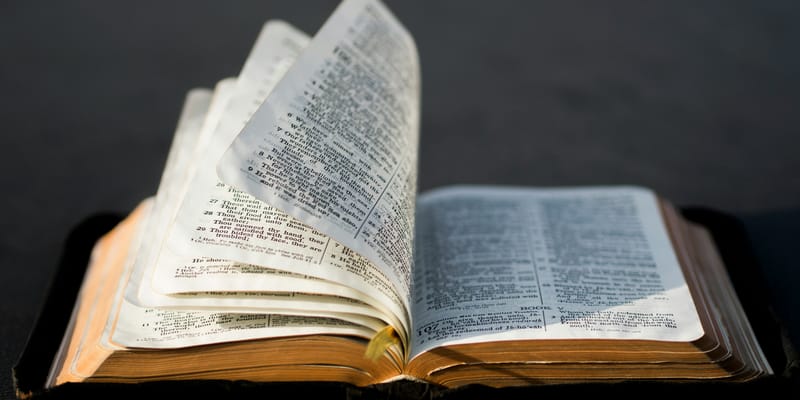
The Bible teaches that God created the world in innocence and that humanity brought rebellion and sin into His creation (Romans 5:12). Since the fall of humanity, every person has been born sinful, infected by a nature opposed to God. We have also all wilfully rebelled against God’s law, going our own way and committing sin (Romans 3:23). These sins against God demand punishment. God, in His righteous justice, has determined that this punishment should be eternal judgement in a place of torment called the lake of fire (Revelation 20:12-14). This is the fate from which we must be saved.
To return to our title question, Why Can’t My Good Works Save Me?
Most world religions are works-based; if we follow their principles and perform the prescribed good works we will avoid the judgement to come. This is not the message of the Bible.
The problem is that good works are not the currency of atonement. The Bible teaches that sin is so serious that only the death of the offender or a sinless substitute can satisfy God’s righteous demands. Good works are a woefully inadequate offering for our offences.
Imagine Hitler making the case that he should be allowed access to heaven. He stands at the dock and claims to have once given money to a tramp, appealing to this as the means of his salvation. What an insult to common decency and natural justice. A man responsible for the death of millions thinks he can purchase his place in heaven with a handful of change given to a needy soul. The debt is too vast and the price paid too paltry. What if his good work was repeated 10, 100 or 1000 times? Would this offering grant himforgiveness? Certainly not! The offence of the holocaust is too great to be wiped out by any number of acts of kindness. Justice must be served, punishment must be meted out. No amount of good works would bring back even one of the countless millions who died at his hand. The same is true of us. Our sin against a righteous and holy God cannot be balanced out by our acts of kindness, however many and however great.
If this were to be the way into heaven, then all of us would be like King Belshazzar in the book of Daniel: “weighed in the balances and found wanting” (Daniel 5:27) – evaluated against the standard and coming well short. We need to recognise the infinite holiness of God. He is described in the Bible as: “Holy, Holy, Holy” (Isaiah 6:3). He cannot turn a blind eye to our sin. Our good works cannot sway Him from applying His own standards of justice. The Bible teaches that “the person that sins will die” (Ezekiel 18:20) and that “it is appointed to man once to die and then after this they will bejudged” (Hebrews 9:27).
The Bible says that we cannot save ourselves, but God sent His Son, the Lord Jesus Christ, to die to pay the price for our sins (1 Corinthians 15:3). On the cross, Jesus Christ, the sinless Son of God, took the punishment that we deserve, in order that God could forgive us on the basis of His death as our substitute. This salvation is offered, not on the basis of our good works but on the good work that Jesus Christ did when He died on the cross. The Bible states: “For by grace you have been saved through faith, and that not of yourselves; it is the gift of God, not of works, lest anyone should boast”(Ephesians 2:8,9). Salvation from sin is a gift to be received through faith, not a reward that can be earned by human effort or self-improvement. That is why my good works can’t save me.