
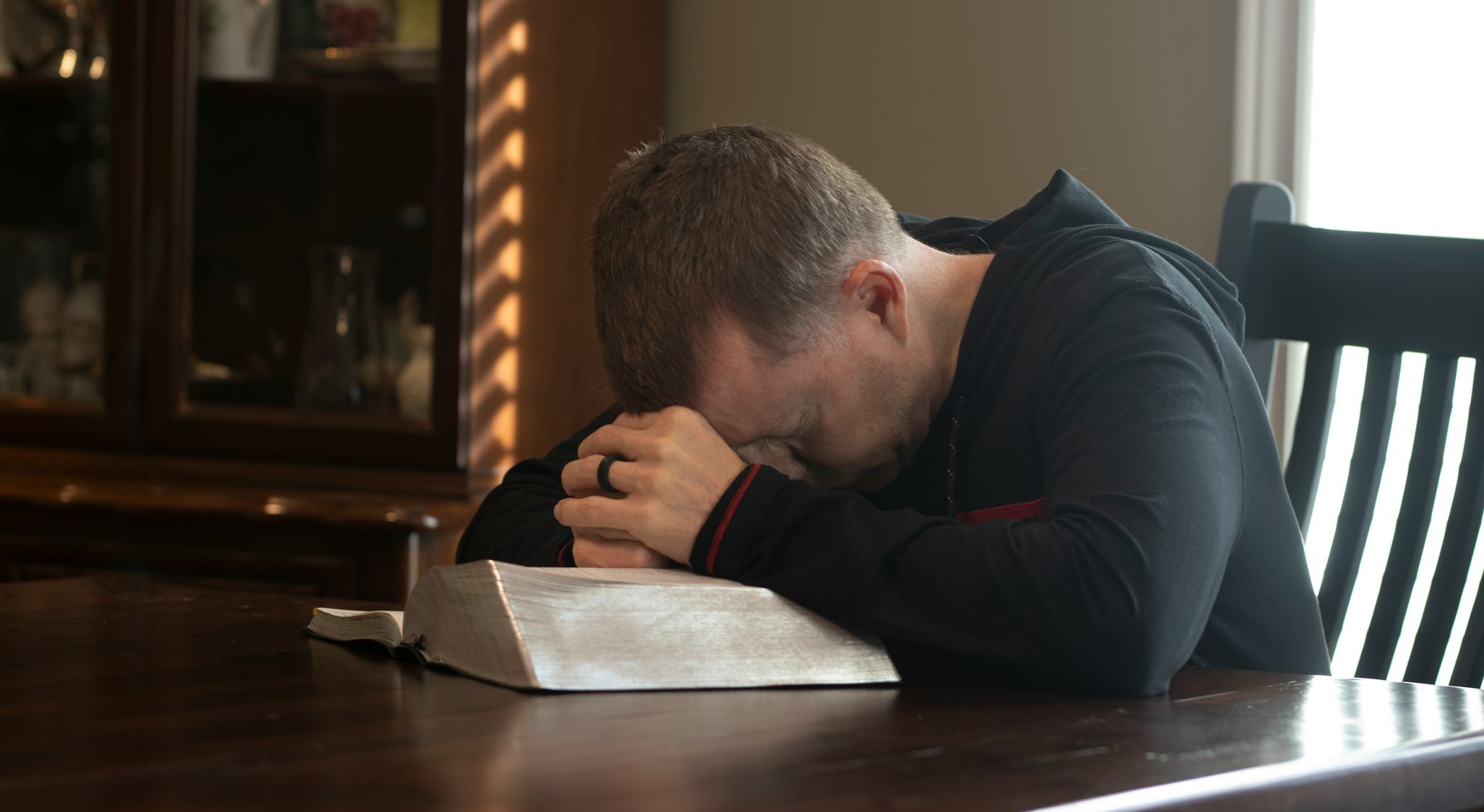
At the end of a long and weighty letter, the Apostle Paul makes a very personal request of the Christians in Rome:
“Now I beg you, brethren, through the Lord Jesus Christ, and through the love of the Spirit, that you strive together with me in prayers to God for me” (Romans 15:30).
Given a similar situation, you might ask politely, even a little hesitantly, as it would seem presumptuous to insist. Paul has no such qualms. He is not asking – he is pleading! It might sound something like this . . . please, please, please pray with me and for me.
Paul knew that he was facing tough times in his service for the Lord. He had been setting out his plans in his letter and they were daunting. He intended to travel to Jerusalem to deliver financial help for the needy Jewish Christians. Afterwards, he planned to visit the Christians in Rome on his way to preach the gospel in Spain. He knew that he was asking the Romans to do something that seemed quite simple, but it would be far from easy – pray for me, please.
It is interesting that he strengthens the request by preceding it with two statements:
“through the Lord Jesus Christ, and
through the love of the Spirit”
He appeals to them based on their regard for the Lord Jesus Christ and on the Spirit's work of love within their hearts. It seems that he is saying, “if you have any regard for the Lord Jesus Christ, or if the Holy Spirit has produced any love in you, at all, for me, I beg you to pray for me”.
It would be a hard thing for them to do and keep on doing. Prayer seems to be like that. Paul uses the Greek word “agōnizomai” (similar to the English word “agonise”), with the prefix “sun” attached to it. He is asking them to undertake this strenuous task with him. He will not ask them to do what he will not be doing himself.
“Join me in agonising prayer” is his sincere request.
They may not have been able to walk the miles, or sail the seas, with Paul, as he journeyed with the gospel and ministered to the Christians, but they could agonise with him in prayer. What a privilege it would have been to partner with Paul in this way, as he served the Lord. To be as committed and energetic as he was in the struggle of serious, regular, and focused prayer.
The plea was enhanced by the detail that accompanied it, as Paul then sets out the specific areas of need in the days ahead. This was no general, offhand or insincere end-of-letter mantra. He was serious and earnest in his request. He had thought about this. He had come to appreciate his weakness in the face of opposition. If he was going to fulfil his service for the Lord, he would need their prayer fellowship as well as help from the Lord;
“that I may be delivered from those in Judea who do not believe, and that my service for Jerusalem may be acceptable to the saints, that I may come to you with joy by the will of God, and may be refreshed together with you” (Romans 15:31-32).
Paul is pleading for fellowship in prayer as he covets deliverance from his enemies in Judea, acceptance by the Christians in Jerusalem, and safety on his journey to join the Christians in Rome. Real issues, real problems, real outcomes – and a clear call to join together in the effort required in praying.
If we are aware of our own weaknesses, and anticipate times of particular need in the days ahead, why not learn from Paul and seek the partnership of others in specific, earnest prayer? If Paul, who had just unfolded the truth of the gospel in the remarkable epistle to the Romans, is serious about his request for fellowship in prayer, should we be any different?